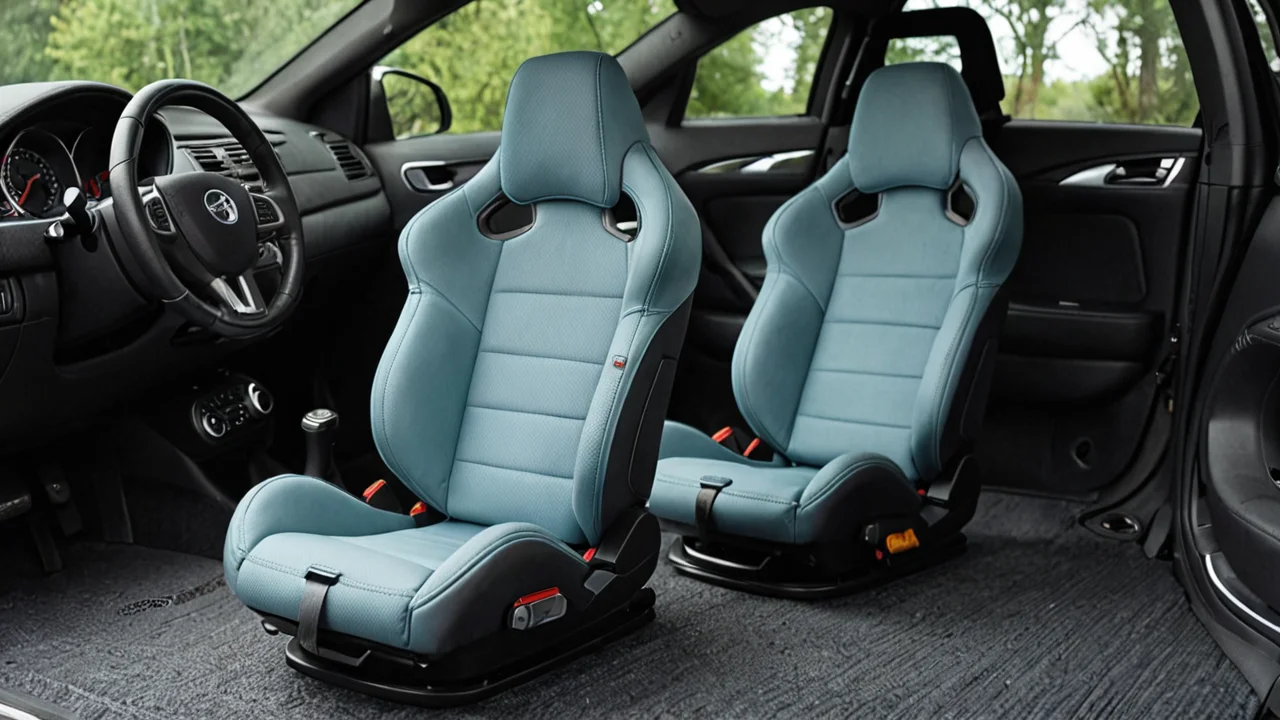
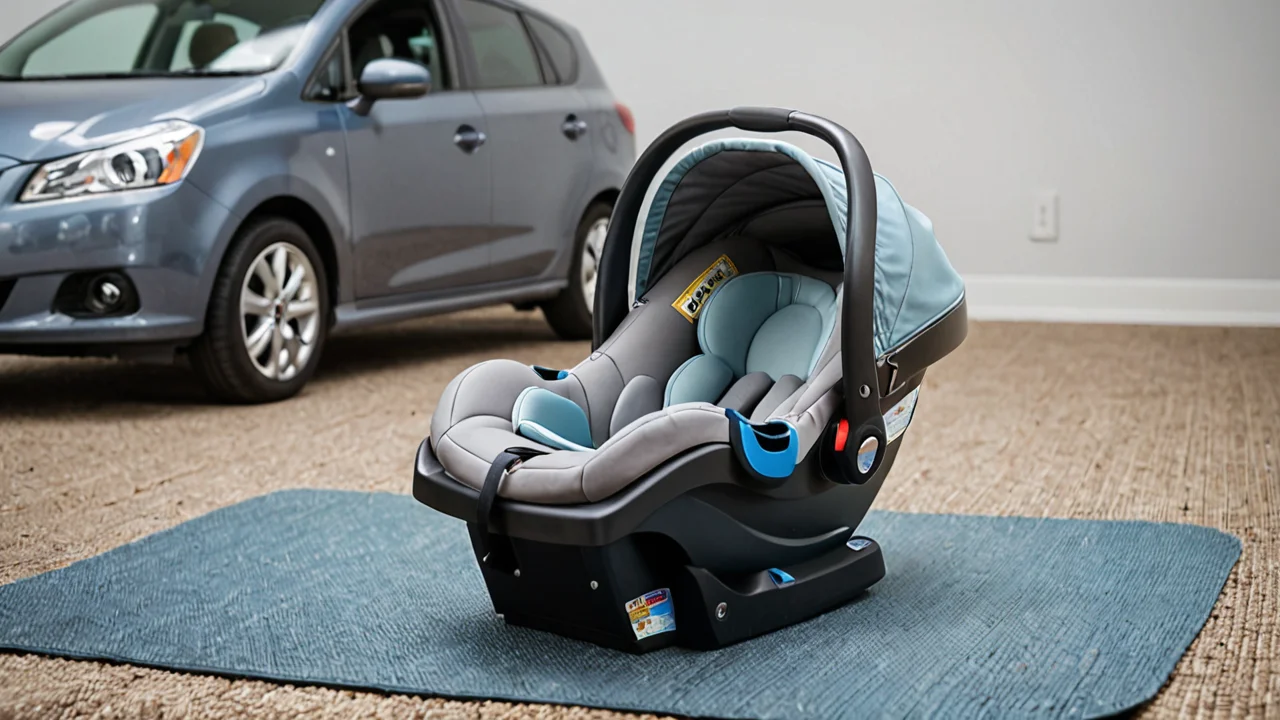
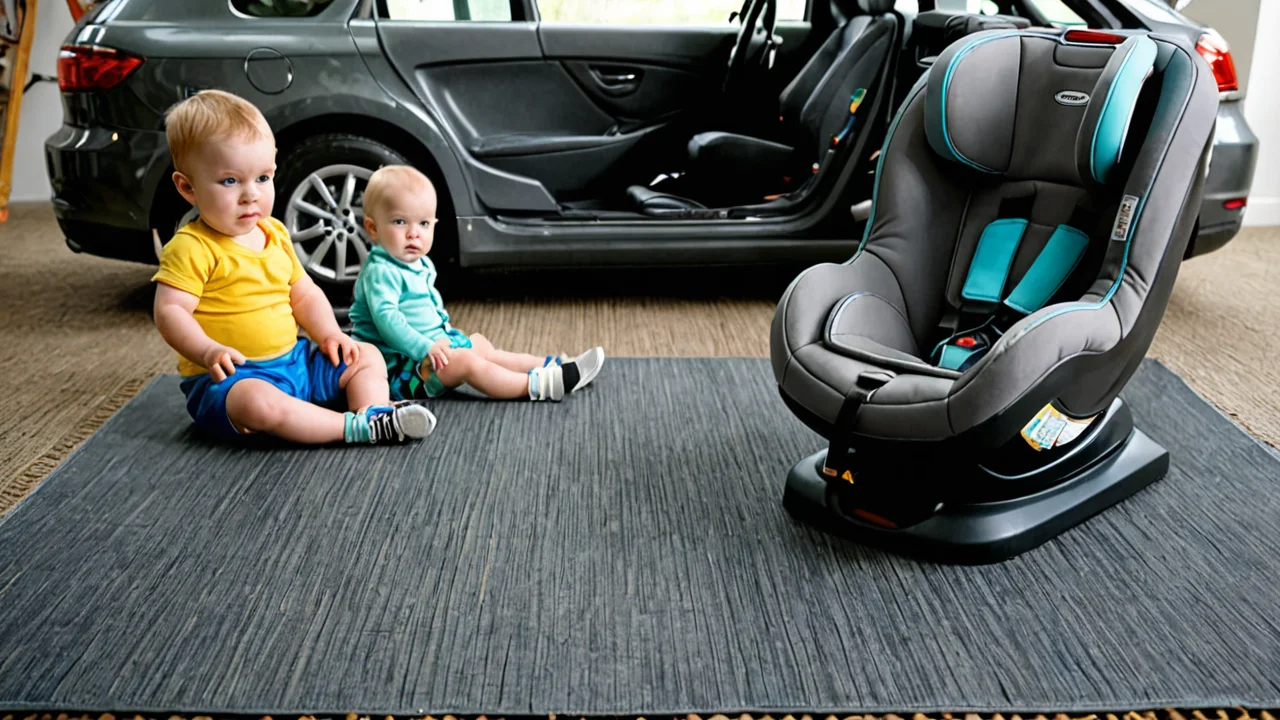
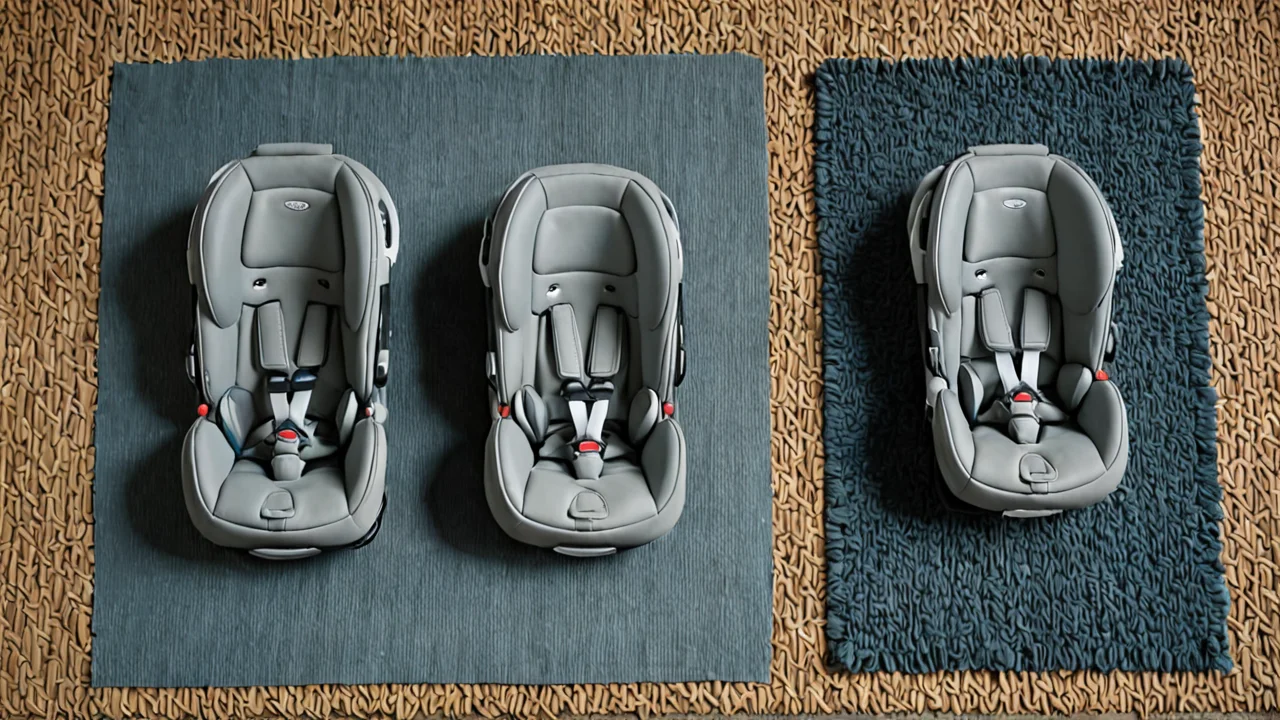
When you are trying to manage a car seat in a cramped SUV, noticing that one model is noticeably lighter than another can make the difference between an easy lift into the trunk and a straining struggle over the threshold.
Choosing a Seat
Choosing a Seat
When you are trying to manage a car seat in a cramped SUV, noticing that one model is noticeably lighter than another can make the difference between an easy lift into the trunk and a straining struggle over the threshold.

Accessories
Finding the compatible adapter for any car seating system requires verifying both the specific make and model of the child seat, as well as the make and model of the vehicle you are installing it in.

Setup & Usage
If you are relying on a ride-share service with an infant or toddler, your safest bet is to bring a fully installed car seat that has been tested in the vehicle beforehand, rather than trusting…
Setup & Usage
The single most critical safety requirement when using any rideshare service with a child is that you must verify the operational condition and proper installation of an appropriate…
Choosing a Seat
For maximum durability in modern vehicles, pairing a high-quality convertible system with proper understanding of your vehicle’s placard requirements is the safest choice; relying on purely infant…

Accessories
The most significant change in securing pet carriers involves treating the carrier—and the animal inside it—as if they were a child restrained in an appropriate car seat system; never assume…
Setup & Usage
If you are managing vehicle safety checks, I prefer a structured, timeline-based approach that treats every piece of equipment—from tires to harnesses—as having distinct shelf lives and usage limits…

Choosing a Seat
For selecting a high-quality child safety seat, prioritize models that offer customizable options from rear-facing through booster use and are designed for easy installation using the vehicle's LATCH…
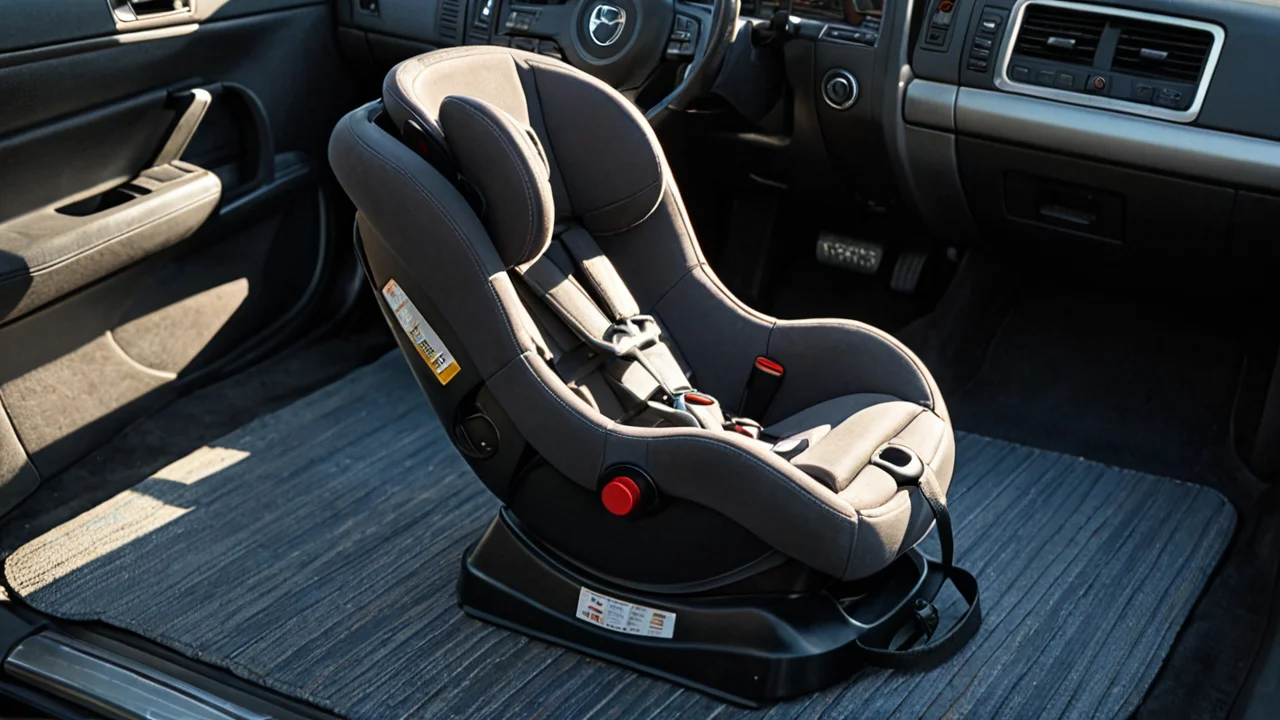
Features & Types
“How do I actually use that revolving car seat without dropping my kid every time?”…

Accessories
The most critical protective element for a child in an automobile is always the properly installed and age-appropriate safety restraint system itself, not any aftermarket cover or protector.
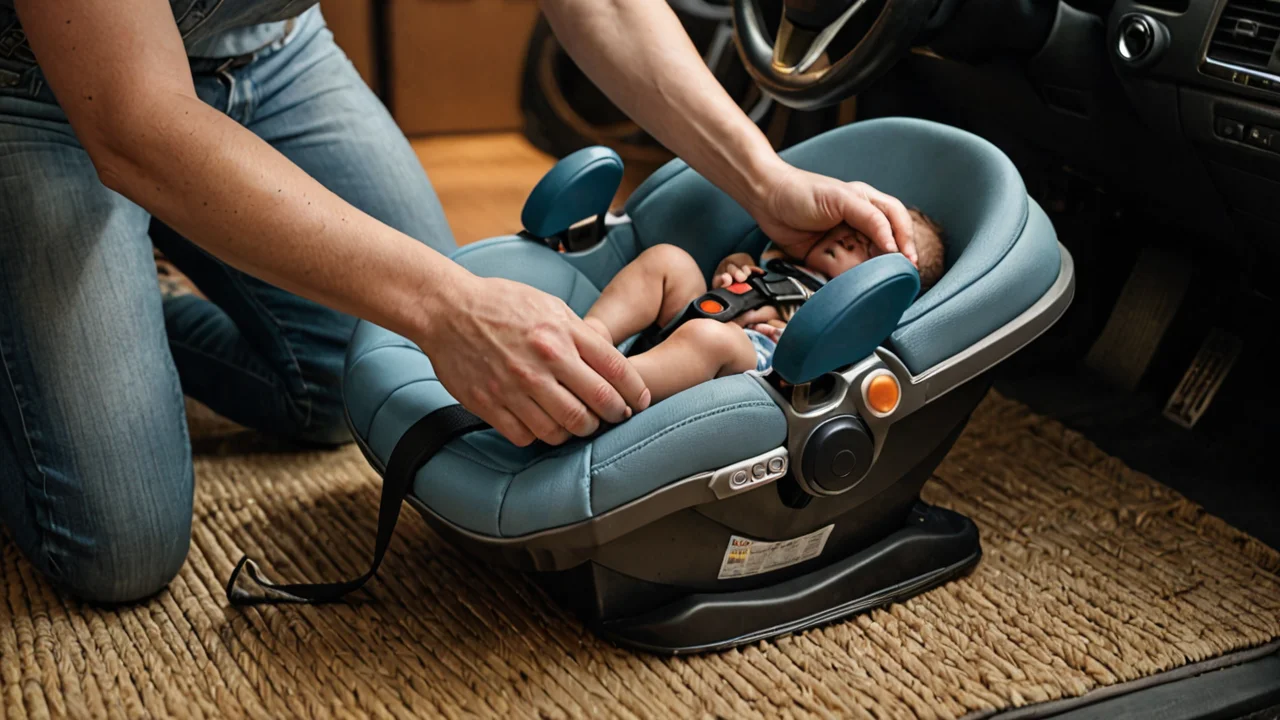
Setup & Usage
The most common mistake people make when installing a standalone car seat is assuming that because the seat belt path seems clear and the seat feels secure, it is safe.
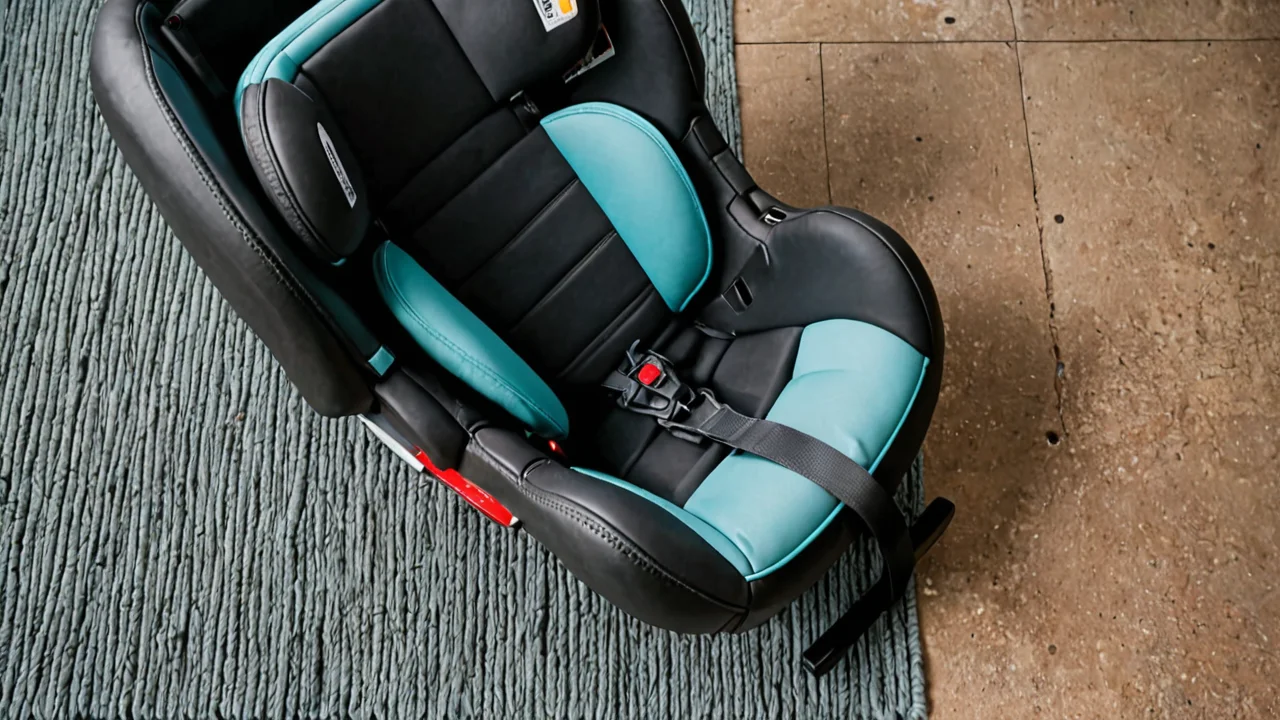
Accessories
A proper car seat gap filler is a wedge or cushion designed to fill the space between the base of the installed car seat and the vehicle seat back or console, ensuring optimal lateral support…
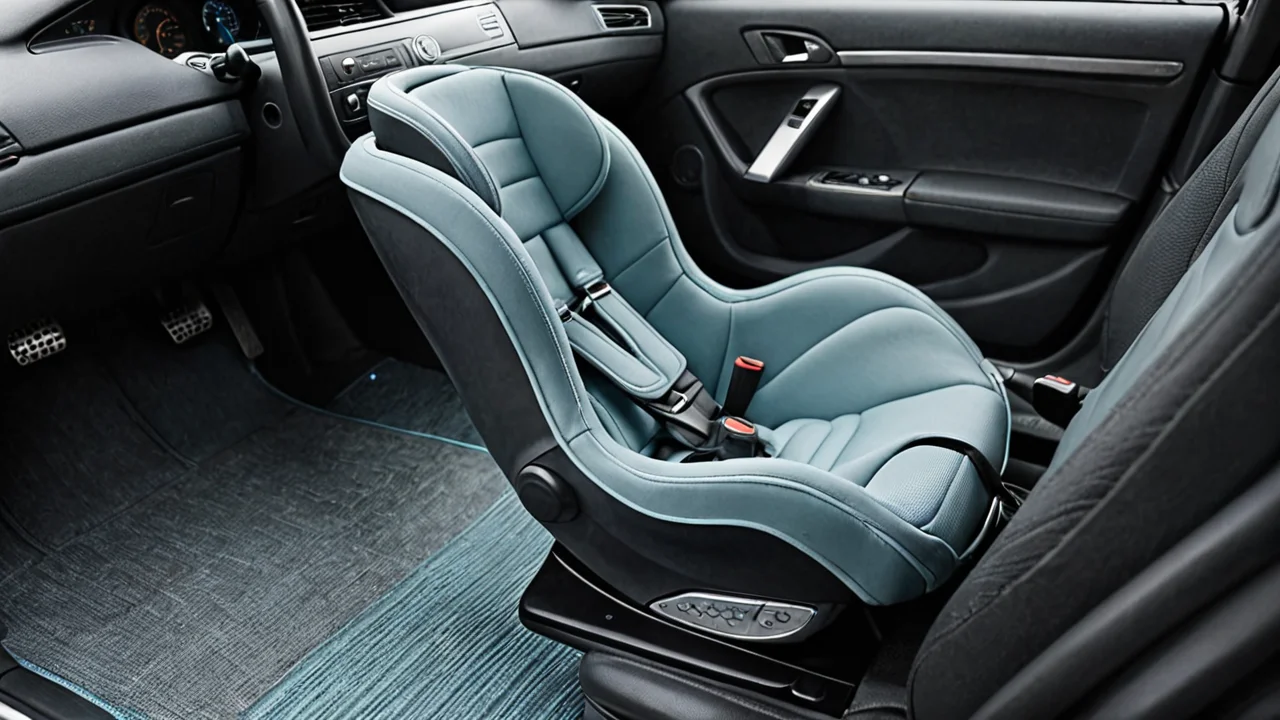
Setup & Usage
If you're buckling a brand-new 3-month-old into the back seat of your sedan today and using an adapter to attach it to the LATCH anchors, remember that the expiration date on the seat itself is not…
Car care is mostly a set of decisions about consumables and intervals, and the single most consequential one you make without thinking is tire pressure: it is measured in psi, and the correct number is the one on the vehicle placard, not the maximum printed on the tire sidewall. Everything else — oil, brakes, coolant, battery, alignment — follows the same logic. There is a specification, there is a service interval, and there is a way the car tells you when you are past it. Learn to read those three things and most of the money you spend on a car stops being guesswork.
Start with the placard, because it is the only tire document on the car written by the people who engineered the suspension. The label is required on light vehicles under FMVSS No. 110, and it carries the recommended inflation pressure and the tire size designation — the manufacturer's recommended size, not whatever the tire shop has in stock. That distinction matters more than it sounds. A placard pressure is set for the load the car actually carries and the ride the engineers wanted; the number molded into the tire sidewall is a maximum for that tire at full load, and inflating to it is a common and quiet mistake that costs you grip and comfort and gains you nothing.
Check pressure cold, meaning before the car has been driven far enough to heat the tires, and check it monthly plus before any long trip. Pressure moves with temperature — a cold snap drops it, and a tire that was fine in mild weather can be visibly soft after the first hard freeze. Underinflation is the failure mode that matters: it flexes the sidewall, builds heat, and degrades fuel economy and handling long before it produces a blowout. Overinflation is less dangerous but makes the car skittish over broken pavement and wears the center of the tread.
The tire size designation on the placard is also your reference when a shop suggests a different size. A different size can be legitimate, but it changes the rolling circumference and therefore the speedometer, and if you change one tire rather than a pair or a set on a car with significant tread wear, you introduce a diameter mismatch the differential and the traction control have to absorb. The placard is the anchor; deviations should be deliberate.
Other warnings are worth learning to read literally rather than emotionally. A steady check-engine light is usually an emissions or sensor fault and can wait for your schedule. A flashing one means active misfire that is dumping unburned fuel into the catalytic converter and can destroy it in a short drive — that one means stop. A red oil pressure light or a red temperature gauge in the red means shut the engine off, not "drive gently to the shop." Tire pressure monitors are a convenience, not a substitute for a gauge: they are legally allowed to illuminate well below the pressure you actually want, so a car that hasn't warned you can still be underinflated.
Engine oil is the one interval worth taking seriously, and the honest answer is that the owner's manual interval is a floor for normal driving, not a ceiling for your driving. Short trips that never bring the oil to temperature, heavy traffic, towing, dust, and extreme cold all fall under the "severe service" schedule in the same manual, and that schedule is often dramatically shorter. If most of your driving is a few miles at a time, follow the severe interval. Oil that never gets hot enough to boil off moisture emulsifies into a milky sludge under the cap — pull the filler cap and look.
Check the level on a flat surface with the engine off and cool enough to have drained back, and check it often enough that you notice a trend. A car that consumes a little oil between changes is normal for many engines; a car that suddenly consumes more is telling you something. Keep a bottle of the correct viscosity in the trunk and top up rather than running low while you wait for an appointment.
Coolant is the fluid people neglect until it fails. Modern long-life coolants still degrade, and mixing chemistries — topping up an orange coolant with a green one because that's what was on the shelf — can gel the system and clog the heater core. Use what the manual specifies and, if you're unsure, use distilled water as a temporary top-up rather than the wrong chemistry. Never open a pressurized cooling system cap on a hot engine; the system is under pressure precisely so it doesn't boil, and releasing that pressure can flash the coolant to steam.
Brake fluid is hygroscopic, meaning it absorbs moisture from the air over time, which lowers its boiling point. That doesn't matter much in normal driving and matters enormously on a long mountain descent or a track day, where old fluid can boil and give you a pedal that goes to the floor. It's a cheap service on a schedule most owners ignore. Transmission fluid and differential fluid are longer intervals but not lifetime fluids, whatever the marketing copy says — "lifetime" generally means the warranty period.
Brake pads wear gradually and announce themselves: a squeal from a wear indicator, a grinding metal-on-metal noise that means you've gone past the pad into the rotor, a pedal that pulses under braking (usually warped or unevenly deposited rotors), or a car that pulls to one side. Pads are cheap; rotors and calipers are not, so replacing pads at the indicator is the money-saving move. Brake fluid and flexible hoses are the parts people forget — a bulging or cracked hose is a failure waiting for a hard stop.
Tires are the only thing touching the road, and tread depth plus age both matter. Tread wear indicators in the grooves show when you're at the legal minimum, but wet grip falls off well before that, and a tire worn to the bars is a hydroplaning risk in rain. Age matters independently of tread: rubber hardens and sidewalls crack, so a low-mileage tire that's been sitting in the sun for years can be less safe than a worn one that's been driven. Look at the date code on the sidewall and at the condition of the sidewall rubber, not just the depth.
Suspension and steering problems show up as tire wear patterns and feel. Cupping or scalloped edges suggest worn shocks or struts; inner or outer edge wear suggests an alignment problem; a pull to one side suggests alignment or a dragging brake. Alignment isn't routine maintenance you do on a schedule — it's a response to a symptom, a curb strike, or a suspension repair. Doing it proactively on a car that tracks straight is money spent for reassurance.
Where this gets expensive is the interaction. Worn struts let the tire bounce, which cups the tread, which makes noise you blame on the tires, which you replace, which then cup again. Diagnose the cause before you buy the symptom.
A battery gives you warnings if you know where to look. Slow cranking on cold mornings, dimming lights at idle, a clock or radio that resets, and a battery that's visibly swollen or leaking at the terminals are all signs. Corrosion on the terminals — the fluffy white or blue-green crust — is cleanable with a wire brush and a baking-soda solution, and a loose or corroded terminal causes the kind of intermittent no-start that's maddening to diagnose. Batteries also die from heat as much as cold; a battery that survived a hot summer is more likely to fail in the first cold snap.
Belts and hoses are visual inspections. A serpentine belt with glazing, cracks across the ribs, or missing chunks is due. A hose that's soft, swollen, or hard and brittle is due. These are the parts that strand people, and they're cheap relative to the tow. Timing belts are the expensive version of this — an interference engine that loses its timing belt bends valves, so the interval in the manual is a hard deadline, not a suggestion, and the water pump and tensioner usually get replaced at the same time because the labor is already paid for.
Filters are the low-stakes category: engine air filter, cabin air filter, fuel filter on some cars. A clogged engine air filter costs a little power and economy; a clogged cabin filter fogs the windows and smells. Neither is urgent, both are easy, and both are things a shop will upsell you on. Look at yours before you agree.
The dividing line isn't difficulty, it's consequence. Oil and filter changes, air and cabin filters, wiper blades, tire pressure and tread checks, battery terminal cleaning, and topping up fluids are all jobs where a mistake is cheap and visible. Brake pads are within reach for a careful beginner; brake hydraulic work, timing belts, and anything requiring the car to be safely supported at height are where the cost of a mistake goes from annoying to fatal.
What DIY actually costs you is time, tools, and disposal. Used oil has to go somewhere legitimate, and a floor jack and jack stands are non-negotiable — never work under a car held only by a jack. What paying someone buys you is a lift, the right tools, a warranty on the work, and a record that helps at resale. For jobs that need a diagnostic scan tool, specialized fluids, or a torque specification you can't verify, the shop is usually the cheaper option once you count the tools you'd buy once.
Be equally skeptical of both directions. A quick-lube place will upsell you on fluid flushes and filters you may not need; an independent shop you trust is worth more than a chain with a coupon. Ask for the old parts back on anything expensive, and ask what the symptom was that justified the repair. If the answer is vague, the work probably was too.
Depreciation is the largest cost of car ownership for most people, and it's invisible because it doesn't arrive as a bill. A new car loses a large share of its value early and then flattens out; a used car a few years old has already taken that hit. The trade-off is real in the other direction — an older car costs more in maintenance and unpredictability, and the cheapest car to own is usually one you've kept well rather than one you bought cheaply.
When you're evaluating a used car, the inspection is worth more than the listing photos. Look for even tire wear across all four (mismatched or unevenly worn tires hint at alignment or suspension problems), check the fluids for color and smell, look for coolant or oil residue under the hood and on the ground, check that the panel gaps are even (a sign of past collision repair), and pull the dipstick after a test drive. A pre-purchase inspection by an independent mechanic is the highest-return money you can spend on a used car, and a seller who resists one has told you something.
Keeping records is the quiet multiplier on resale value. A folder of receipts showing oil changes, brake work, and tire replacements turns "it's been reliable" into evidence, and it also tells you what's coming due. Know your car's major service milestones — the timing belt, the transmission fluid, the coolant — because a buyer will ask, and because those are the bills you can plan for instead of being surprised by.
The through-line across all of it is the same: find the specification, respect the interval, and pay attention to symptoms before they become failures. Tire pressure from the placard in psi, oil on the severe schedule if your driving is hard on it, brake fluid before the mountain, and a mechanic's inspection before you buy. None of that is glamorous, and all of it is what separates a car that costs you predictable money from one that costs you whatever it decides to.